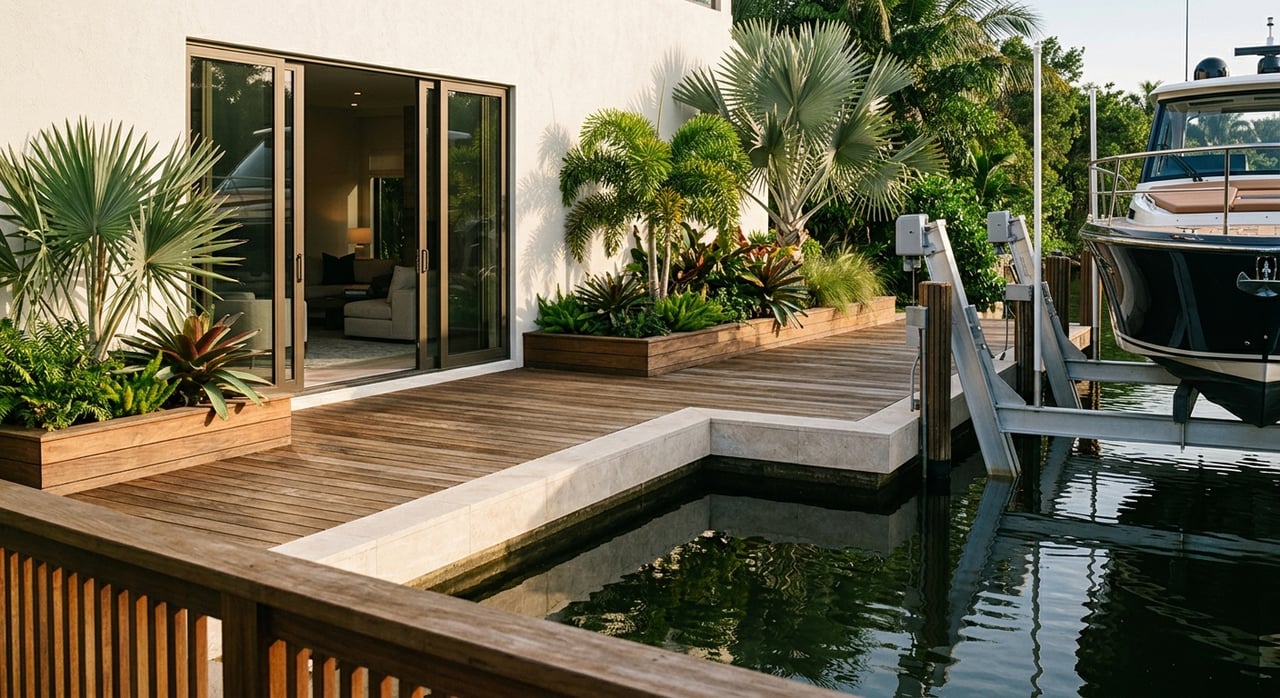
Aqualane Shores Waterfront Living And Boating Guide
If you are drawn to Naples waterfront living, Aqualane Shores stands out for a simple reason: it puts boating, downtown access, and beach proximity into one address. But buying here is not only about finding a home with a dock. You also need to understand canal access, water depth, permits, seawalls, and the area’s low-lying conditions so you can make a confident decision. Let’s dive in.
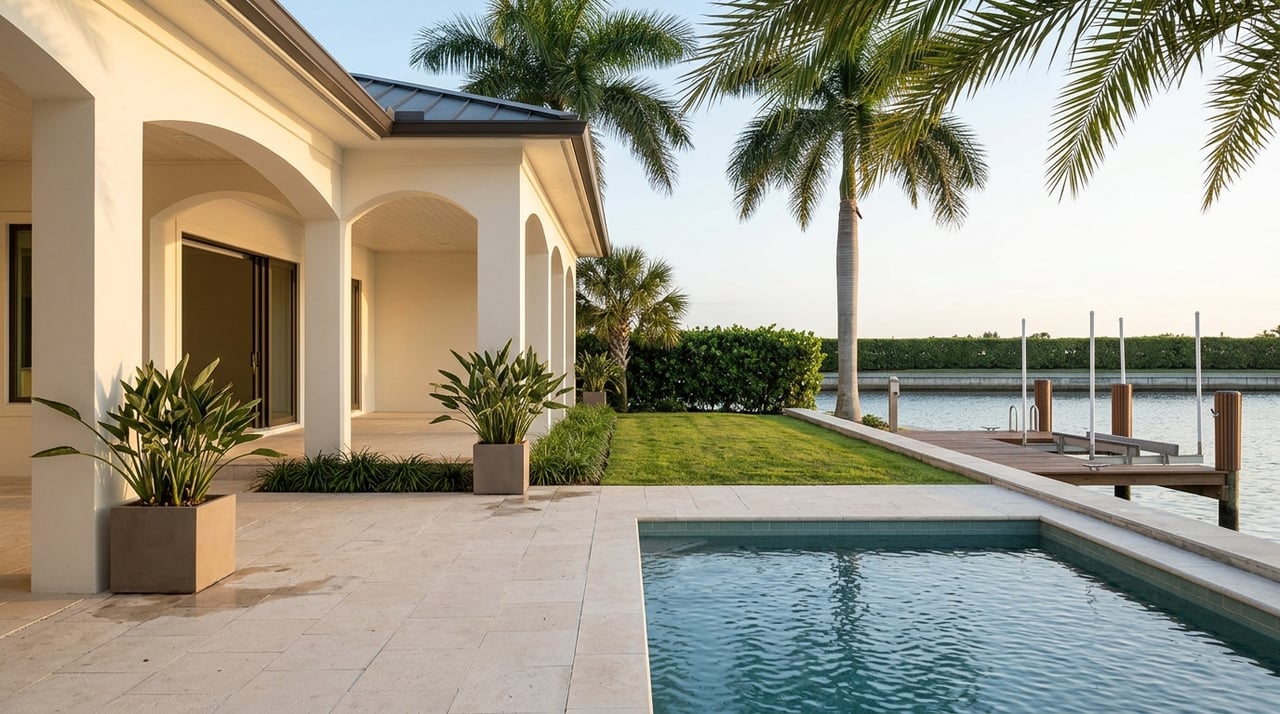
Aqualane Shores is a waterfront neighborhood in the City of Naples, located between Port Royal and Old Naples. The neighborhood is known for its deep-water channels and coves that provide Gulf access for many homeowners. That identity makes it one of the clearest private-waterfront options for buyers who want a home that supports an active boating lifestyle.
Another major draw is location. Aqualane Shores sits close to both Third Street South and Fifth Avenue South, so you are not choosing between time on the water and convenience on land. You can enjoy a canal-front setting while staying near beaches, dining, and downtown Naples amenities.
In Aqualane Shores, waterfront value is about more than the presence of a dock. The City of Naples treats the neighborhood as a low-lying sub-basin where drainage depends on gravity discharge to canals and can be affected by tides. That means the boating appeal of a property should be weighed alongside flood exposure, stormwater behavior, and seawall condition.
For buyers, this is an important mindset shift. A property can look ideal on paper because it is canal-front, yet still require close review of drainage, maintenance history, and how the lot functions during high tide or after heavy rain. The strongest purchase is one where both the boating setup and the long-term resiliency picture make sense.
The boating route from Aqualane Shores generally runs through the neighborhood canal system into Naples Bay and then out through Gordon Pass to the Gulf. Naples Bay is the main waterway behind the neighborhood, and the city describes it as a narrow, shallow estuary that connects to the Gulf through Gordon Pass. For many owners, that makes for a convenient path from private dock to open water.
That said, it is smart to avoid broad assumptions. While the neighborhood’s geography supports the idea of strong boating access, the exact experience can vary by property, vessel, tide, and conditions in the canal or bay. A home’s position within the canal system still matters.
One key navigation detail is the U.S. 41 bridge. NOAA places it about 2.5 miles above Gordon Pass and lists it as a fixed-span bridge with 10 feet of clearance. If your boating plans involve traveling north of the harbor, that bridge becomes a major reference point.
For many Aqualane Shores trips out to the Gulf, the focus is less about that bridge and more about the canal-and-bay route to Gordon Pass. Still, if you own or plan to buy a taller vessel, fixed clearance should always be confirmed against your actual boat height.
Convenient access does not always mean a fast ride out. Gordon Pass and parts of Naples Bay are subject to no-wake restrictions, so your trip to open water may be smooth and direct without being quick. That is part of the normal rhythm of boating in this area.
Depth is another real-world factor. Naples Bay can be shallow enough that tides, shoaling, and local slip depth matter, and the city advises boaters to use current charts, stay in marked channels, watch tides, and idle when depth is uncertain. In practical terms, you should evaluate not just neighborhood access, but the exact water conditions at the dock you may use every day.
If you are touring waterfront homes in Aqualane Shores, it helps to look past the marketing photos and study the actual boating setup. The City of Naples requires a marine permit for the construction or repair of docks, lifts, pilings, seawalls, riprap, and dredging. That tells you something important: these features are standard parts of waterfront ownership, but they are also regulated and should be documented.
A property may have a fixed dock, a covered lift, davits, or only a seawall. Each setup works differently depending on the size of your vessel, how often you boat, and whether you want in-water or lifted storage. It is worth matching the home’s setup to the boat you actually plan to use, not the one shown in a listing photo.
Before you move forward on a waterfront home, consider these questions:
These are not minor details. They affect daily ease of use, future maintenance, and what updates may be possible later.
City requirements can shape what you can improve and how quickly you can do it. For dock permits, the City of Naples requires items such as an aerial view, electrical plans, and a site plan or survey showing shoreline conditions, neighboring piers, side-yard setbacks, and waterway width. New docks also require a final survey.
Dredging can be even more important. The city distinguishes between manmade canals and natural water bodies, and dredging in a natural water body requires council approval through a petition process before a marine permit is issued. For a buyer, that means you should not assume a shallow area can simply be deepened later without a more involved review process.
One of the more useful distinctions in Aqualane Shores is whether a property is canal-front or bayfront. The West Naples Bay Special Taxing District includes the canals of Aqualane Shores but excludes properties facing Naples Bay. That matters because navigability, maintenance structure, and assessment questions may differ depending on where the parcel sits.
The district was created to improve water quality and navigability and to provide maintenance dredging in the waterways it covers. If you are comparing two waterfront homes, this is a detail worth asking about early. It may influence both ongoing expectations and future costs.
Waterfront ownership often includes expenses beyond mortgage, taxes, and insurance. The City of Naples uses special assessment districts for infrastructure projects, and city records also show local assessment history tied to utility and dredging-related work in nearby waterfront contexts. That does not mean every property will face the same costs, but it does mean buyers should be prepared for project-based expenses that can come with premium waterfront locations.
A smart review includes the condition of the seawall, age and status of dock improvements, maintenance history, and whether any district or project-related costs could affect ownership. This is part of buying with clarity rather than reacting to surprises later.
Buyers often compare Aqualane Shores with Port Royal and Old Naples because all three offer desirable Naples locations, but they function differently for boating.
Both Aqualane Shores and Port Royal are highly water-oriented neighborhoods. Port Royal, however, shows a more formal association-driven governance footprint, with dedicated materials related to building, docks, riprap, and rights-of-way, along with a completed dredging special assessment area noted by the city.
For you as a buyer, the takeaway is that both neighborhoods have strong waterfront identities, but the governance framework and property context may differ. Aqualane Shores remains especially appealing if you want a clear canal-home setting near downtown Naples.
Old Naples is broader and more mixed than Aqualane Shores. The city describes it as a historic district extending from Third Street South northward and from U.S. 41 west to the beach. Because of that, boating there is much more property-specific rather than a defining neighborhood feature.
Old Naples does benefit from proximity to Naples City Dock in Crayton Cove, which the city describes as a full-service marina with fuel, pump-out, bait, ice, showers, transient dockage, and annual dockage for boats up to 60 feet. That is a strong convenience feature, but it is not the same as having a private canal-front home with direct day-to-day boating access.
Boating in Aqualane Shores also means boating within an environmentally sensitive estuary. The City of Naples says Naples Bay has lost about 90 percent of its seagrass beds since 1950. As a result, local boating guidance emphasizes using current nautical charts, staying in marked channels, watching tides, and avoiding prop-dredging and seagrass scarring.
This matters in everyday ownership. Your boat’s draft, your comfort with shallow-water navigation, and your habits at low tide all affect how easy and responsible your boating experience will be. In a neighborhood like Aqualane Shores, waterfront living works best when convenience and stewardship go hand in hand.
If you are serious about buying in Aqualane Shores, start with the specifics of the lot rather than the broad appeal of the neighborhood. Confirm actual water depth, route conditions, dock configuration, seawall condition, permit history, and whether the parcel is canal-front or bayfront. These are the details that tell you how the home will function for your lifestyle.
Aqualane Shores can be an exceptional fit if you want private waterfront living near the heart of Naples. The key is making sure the boating setup, property condition, and maintenance realities all align with the way you plan to enjoy the home. If you want a calm, detail-oriented perspective on waterfront opportunities in Naples, connect with Michelle Trawick.
Stay up to date on the latest real estate trends.

Partner with Michelle for a personalized and results-driven real estate experience. Experience expert guidance, strong negotiation, and exceptional service.