Old Naples Condos And Cottages: How To Choose
If you are torn between an Old Naples condo and a cottage, you are not alone. Both can offer charm, beach access, and a front-row seat to one of Naples’ most iconic coastal settings, but they live very differently day to day. The right choice comes down to how you want to spend your time, how much control you want over the property, and how comfortable you are with rules, maintenance, and future costs. Let’s dive in.
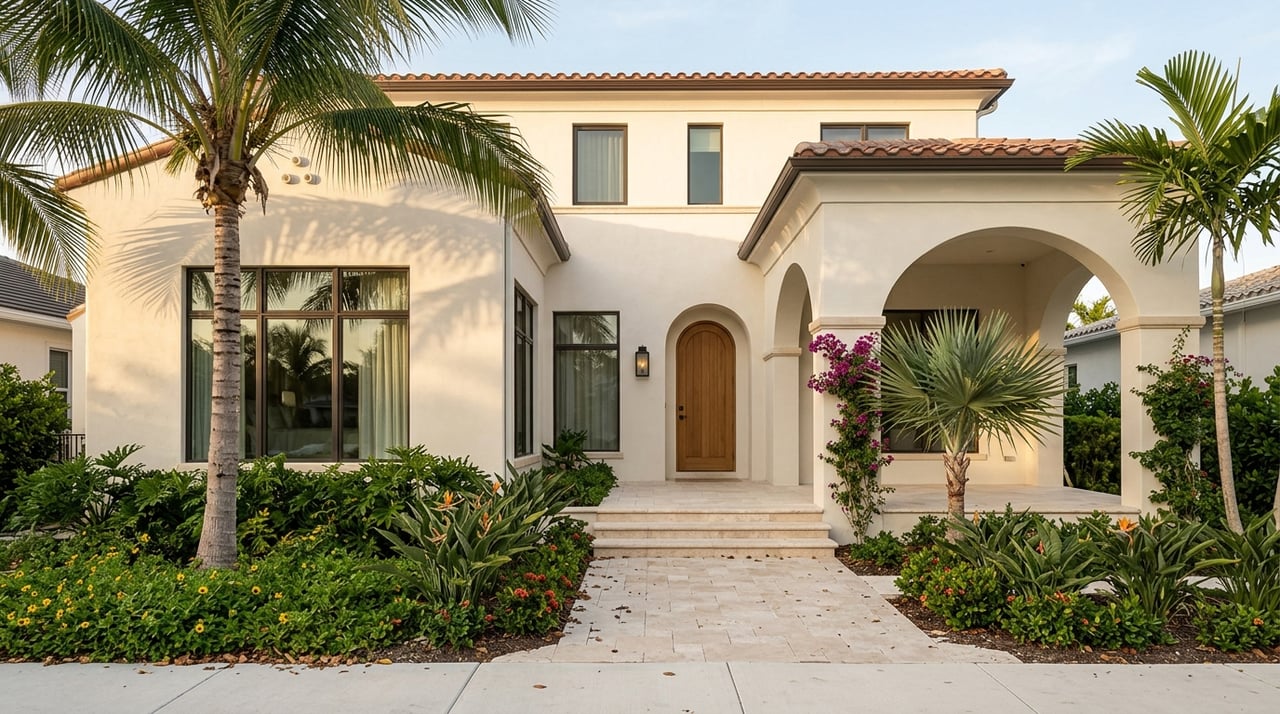
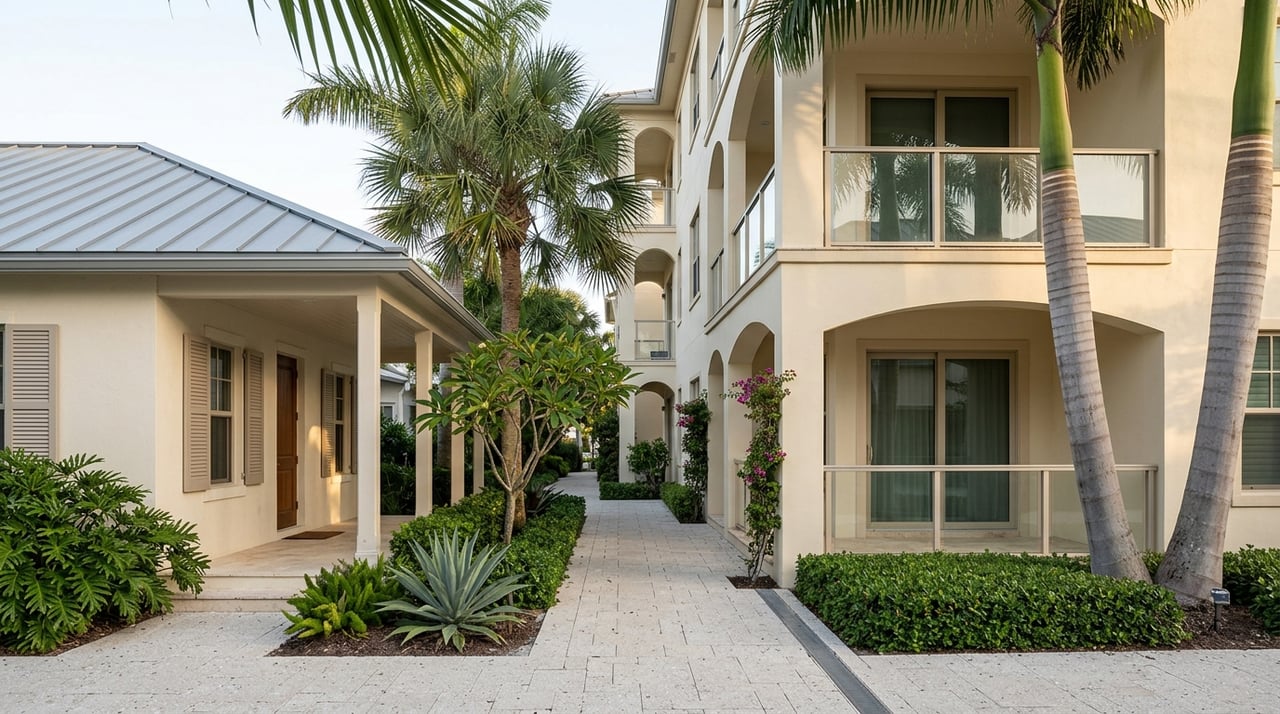
Old Naples is the historic coastal heart of the City of Naples, with many of the city’s original homes alongside a mix of older and newer residences. The area stretches from the Third Street South area toward the beach, with mature palms and tropical landscaping shaping the streetscape.
That setting matters when you compare condos and cottages. In Old Naples, you are not just choosing a floor plan or ownership style. You are choosing how you want to live within a neighborhood shaped by age, proximity to the beach, and historic context.
Before you compare buildings, fees, or lot sizes, it helps to get clear on what matters most to you. Some buyers want a simpler, lock-and-leave property for seasonal use, while others want more privacy and control over their home and outdoor space.
A condo often appeals to buyers who want convenience and lower exterior responsibility. A cottage or bungalow often fits buyers who want a more independent ownership experience and more direct say over the property.
In Old Naples, being near the beach is a major draw, but convenience is not automatic. The historic Naples Pier sits at the west end of 12th Avenue South, and beach parking requires a resident or visitor permit or pay-by-space year-round.
That means location and access should be part of your decision, not just a lifestyle image in your mind. When you compare a condo and a cottage, think about how often you will actually walk, bike, or drive to the beach and what that routine will feel like during your time here.
For many buyers, the biggest advantage of a condo is ease. Under Florida law, the association is responsible for maintaining common elements and must use best efforts to maintain adequate property insurance for the association, the common elements, and the condominium property that must be insured by the association.
That can reduce the amount of exterior responsibility on your plate. If you are buying a seasonal residence or want a more lock-and-leave setup, this structure can be very appealing.
A condo does not mean the association covers everything. Florida law also makes clear that personal property and several interior items remain the unit owner’s responsibility.
That is why it is important to understand exactly what the association policy covers and what falls on you. In practical terms, you will want to review the condo documents, insurance structure, and the building’s financial health before you decide a condo is the easier option.
A cottage or bungalow in Old Naples usually gives you more direct control over the building and site. For many buyers, that added control is the biggest benefit, especially if privacy, outdoor living, or personal design decisions matter to you.
There is an important local detail here. The City of Naples says its Design Review Board does not apply to single-family zoning districts, which can simplify some exterior review issues compared with other property types.
Single-family ownership still comes with real guardrails. Florida HOA law requires owners and associations to comply with governing documents and rules where applicable, and Naples has a separate historic-preservation permit process for historic buildings.
In other words, a cottage may give you more independence, but it does not automatically mean unlimited flexibility. In Old Naples, age, historic character, and local processes can all shape what ownership feels like.
This point matters for both condos and cottages, but especially for condos in older coastal buildings. The City of Naples says buildings within three miles of the coastline need milestone inspections at 25 years and every 10 years after that.
The city also says residential condo buildings that are three habitable stories or higher need a structural integrity reserve study at least every 10 years. These requirements can affect reserve planning, operating costs, and the possibility of future assessments.
If you are comparing options in Old Naples, ask about:
These questions can tell you as much about long-term comfort and resale as the finishes or location.
Naples is close to sea level, fronted by the Gulf, and particularly susceptible to storm surge and flooding. The City of Naples has 2024 Flood Insurance Rate Maps in effect and recommends confirming the official flood-zone designation before purchase.
The city also warns that flood damage is not covered by normal homeowners insurance. That means flood coverage should be evaluated separately from a standard policy whether you are buying a condo or a cottage.
For condo buyers, this review includes understanding the association’s master policy and your own unit-level needs. For cottage buyers, it often means taking an even closer look at elevation, flood exposure, and full property-level insurance planning.
Many buyers assume a cottage will always be easier to rent than a condo, but in Old Naples, the answer is more nuanced. The City of Naples limits single-family homes to rental terms of 30 days or longer, with up to three rentals under 30 days per calendar year, and properties may not be advertised for less than 30 days.
The city’s short-term rental guidance says most condominiums follow the same baseline rule, but HOA policies can be stricter. That means rental potential often depends less on whether the property is a condo or a cottage and more on the specific documents and rules tied to that property.
If rental use matters to you, confirm:
In Old Naples, the label on the property does not tell the whole story. The actual governing documents do.
A simple way to make this choice is to focus on your daily experience, not just the purchase itself. Ask yourself whether you want convenience with shared oversight or privacy with more hands-on responsibility.
If you want a seasonal home that feels easier to lock and leave, a condo may be the better fit. If you want more space, more control, and a stronger sense of owning the full property, a cottage may be the better match.
| Priority | Condo | Cottage |
|---|---|---|
| Exterior maintenance | More often handled by association | More often handled by owner |
| Control over exterior and lot | More limited | More direct |
| Shared decision-making | Higher | Lower |
| Private outdoor space | Often less | Often more |
| Insurance review | Master policy plus owner responsibility | Owner-driven review |
| Rental rules | City baseline plus condo rules | City baseline plus any applicable community rules |
| Best fit for | Seasonal ease and convenience | Privacy and control |
In Old Naples, broad assumptions can get expensive. A well-run older condo may be a better fit than a cottage with flood or preservation challenges, and a charming cottage may offer a better long-term experience than a condo with tighter rules or looming assessment risk.
That is why the best decision usually comes from matching your lifestyle goals with careful document review, local context, and a clear picture of ownership costs. In a neighborhood as nuanced as Old Naples, details matter.
Whether you are looking for a lock-and-leave coastal condo or a charming cottage with more privacy, the right guidance can make the process feel much clearer. If you are weighing options in Old Naples, Michelle Trawick offers the polished, hands-on guidance and local insight to help you choose with confidence.
Stay up to date on the latest real estate trends.
Partner with Michelle for a personalized and results-driven real estate experience. Experience expert guidance, strong negotiation, and exceptional service.